
Opening Hours: 6.00 am - 11.00 pm (Mon - Sun)
Question? Call Us at +(234) 805 223 3321
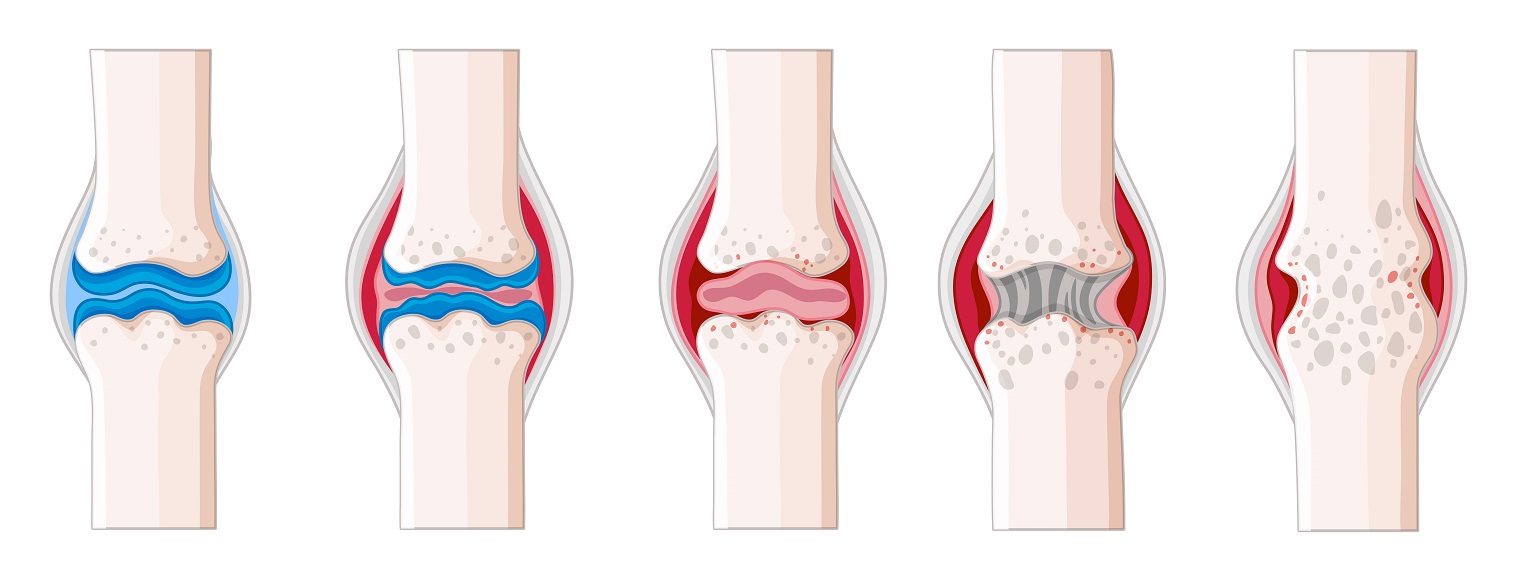
Rheumatoid arthritis (RA) is known to have wide extra-articular manifestations. Among these, renal involvement is well documented. Renal tubular acidosis (RTA) is a non-anion-gap (hyperchloremic) metabolic acidosis, which results either from proximal tubular bicarbonate wasting or impaired distal acid secretion. The hallmark of this entity is an inability to acidify the urine maximally (pH 5.5) in the face of metabolic acidosis accompanied by hypokalemia, hypercalciuria and/or, nephrolithiasis. The association of RTA with various autoimmune diseases (SLE, Sjogren syndrome, hypothyroidism), though rare, have been reported previously.
The association of RTA with RA is distinctly rare, and the diagnosis of RTA during a flare of RA in a patient already on disease-modifying anti-rheumatic drugs is previously unreported. The presented case also highlights the role of autoimmunity in the pathogenesis of RTA.
A 42-year-old female, a known case of RA for 1 year, presented with joint pain along with morning stiffness for 7 days, myalgia for 4 days, and weakness of all 4 limbs for 3 days. It was followed by an acute-onset weakness of bilateral lower limbs (proximal > distal) followed by the weakness of upper limb and associated tachypnea (single breath count 12). There was no history suggestive of fever, impairment of higher neurological functions, cranial nerves/bladder/bowel involvement, raised intracranial tension, or history of high carbohydrate food intake. On a detailed enquiry, the patient gave the history of RA for 4 years, and she was on oral methotrexate (15 mg weekly) and folic acid (5 mg weekly) on a regular basis. The family history and personal history were insignificant. On examination, the patient was lean and thin with stable vital signs. Her general examination was normal except for mild pallor. There was swelling and tenderness present over multiple peripheral joints (bilateral metacarpophalangeal joint, wrist, and ankle). Her distal interphalangeal joints were slightly flexed, suggestive of swan neck deformity but not fully developed (Figure 1). The examination of cardiovascular, respiratory, and abdominal symptoms was unremarkable. Neurological examination revealed a power of 3/5 in the bilateral upper limb and 2/5 in the bilateral lower limb at all joints. All deep tendon reflexes were diminished, and the Babinski sign was negative. Sensory examination was completely normal.